Navigating the fine line between wear and tear and tenant-induced damage can be a tricky task for landlords. Making the right call is essential to avoid disputes, ensure timely deposit returns, and maintain a stress-free tenancy experience. Here’s how to approach this challenge with clarity and fairness.
Understanding Wear and Tear
Wear and tear are the inevitable signs of everyday use. Think of faded paint, gently worn carpets, or minor wall scuffs. These are natural occurrences, especially in long-term tenancies, and are the landlord’s responsibility. Factoring these into your maintenance budget is a wise move.
Identifying Tenant Damage
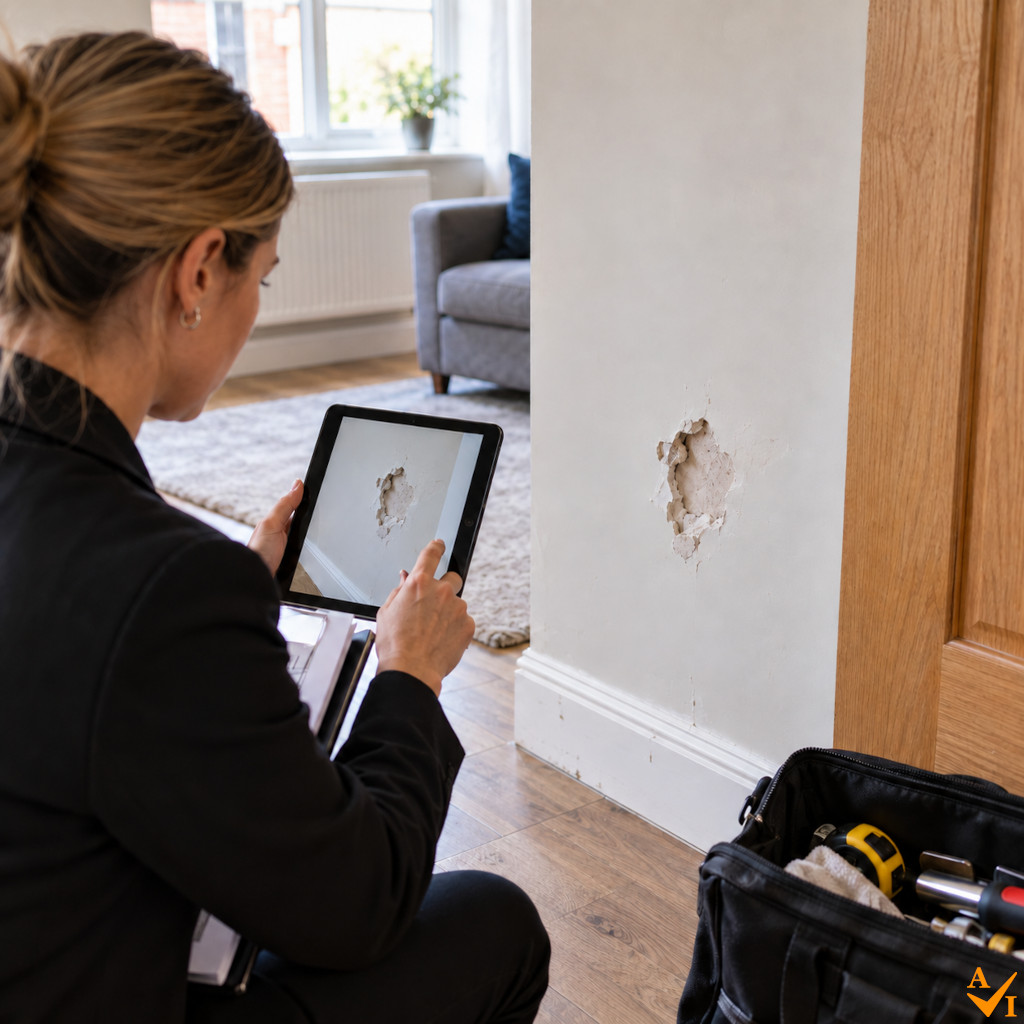
Tenant damage, however, stems from negligence or accidents beyond normal use. Large wall holes, broken fixtures, or stained carpets are examples. Such issues can be charged to the tenant, provided there’s clear evidence to support the claim.
The Role of Evidence
A comprehensive inventory, complete with dated photos at both the start and end of a tenancy, is invaluable. This documentation serves as an impartial reference, making it easier to justify any necessary deductions from the deposit. Without it, proving damage can become a contentious issue.
Fair Wear and Lifespan Considerations
Even when damage is present, it’s important to consider the age and expected lifespan of items. Charging a tenant the full replacement cost for an old carpet isn’t fair. Deductions should reflect the item’s remaining value, not the price of a new replacement.
Communication is Key
Should deductions be necessary, clarity is crucial. Provide a detailed explanation and supporting evidence to the tenant. This transparency fosters understanding and reduces the likelihood of disputes.
Ultimately, handling repairs and damages fairly is about reasonableness. By distinguishing between wear and tear and genuine damage, landlords can protect their property while maintaining professionalism. For those seeking expert guidance, we at Bond Residential are here to help you navigate the complexities of property management with ease.