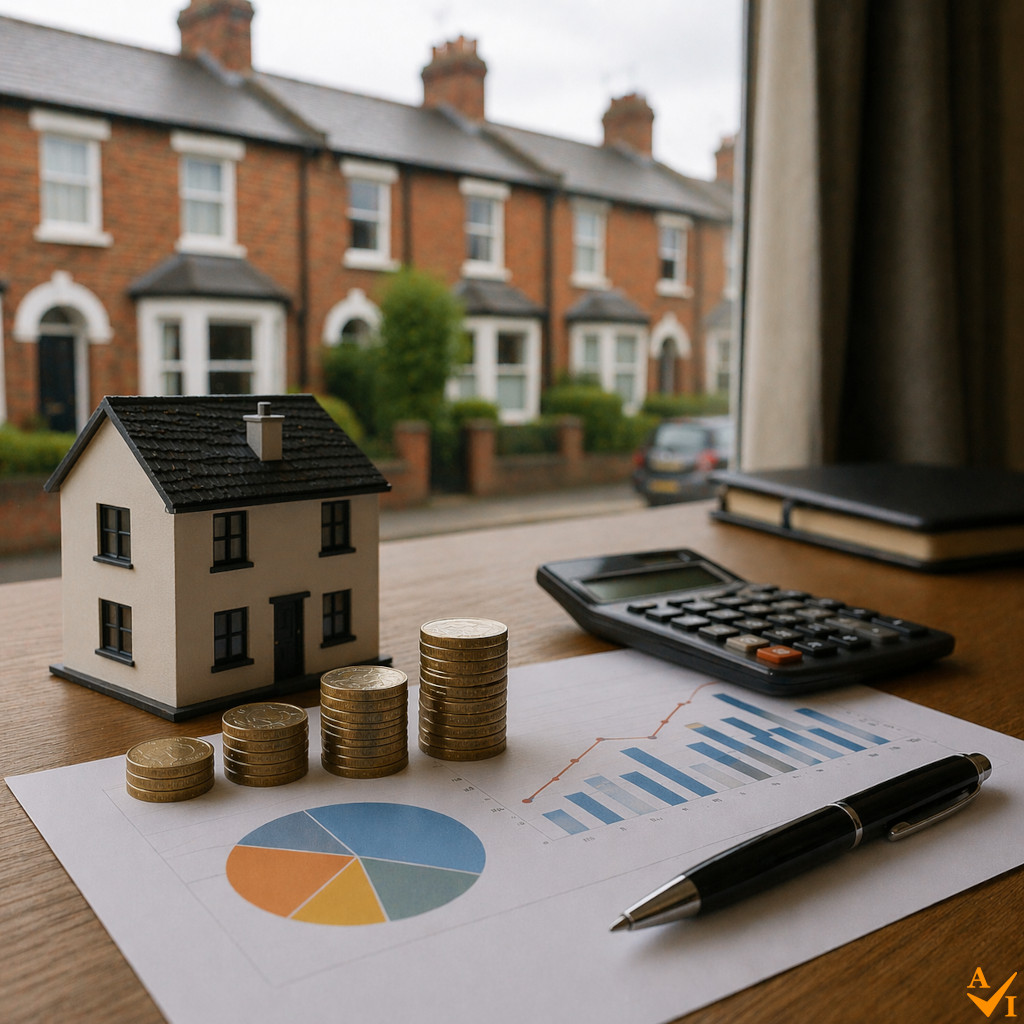
When diving into property investment, landlords often face a pivotal decision: should they prioritise rental yield or focus on capital growth? Both strategies offer enticing rewards, but understanding their differences is key to aligning with your investment goals.
Rental Yield is the annual income a property generates as a percentage of its purchase price. High-yield properties typically provide a steady cash flow, making them ideal for landlords seeking regular income. Areas with lower property prices but strong rental demand often deliver the best yields. This is particularly appealing if you’re relying on rent to supplement your income or cover mortgage payments.
Capital Growth, conversely, refers to the increase in a property’s value over time. Investing in locations with strong long-term growth prospects can result in a substantial payout when you sell. This strategy focuses on wealth accumulation through appreciation rather than immediate income. Prime locations, good schools, regeneration projects, and robust transport links are all indicators of potential growth.
Which Strategy is Better?
The answer hinges on your personal circumstances. If you desire consistent income and quicker returns, focusing on yield might be your best bet. However, if you’re in it for the long haul and can afford to wait, capital growth could offer greater overall returns.
Many landlords aim for a balance—choosing properties with solid yields in areas showing signs of growth. Ultimately, understanding your financial goals, risk tolerance, and investment timeline will shape the best strategy for you.
Whether you chase yield, growth, or a mix of both, thorough research and a clear plan are crucial for making a smart, profitable investment. And remember, at Bond Residential, we’re here to help you navigate the property market with expert advice tailored to your investment strategy.